

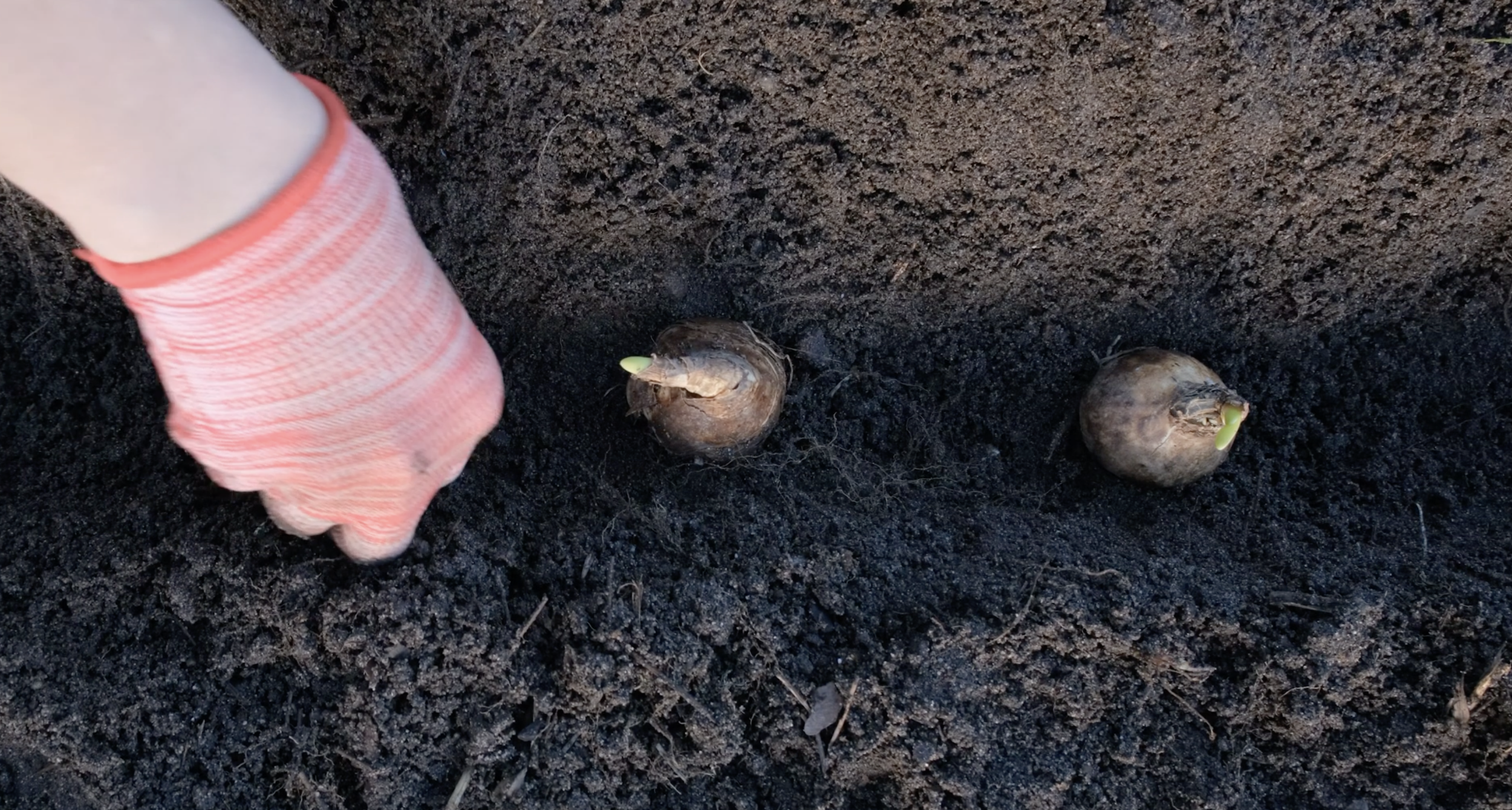
From planting native wildflowers to creating habitat for monarch butterflies, many hands and partners have shaped this park.




Partnerships for Nature and Wildlife
As plans for the park began to take shape, OCNS partnered with the North Carolina Forest Service and the North Carolina Wildlife Resources Commission to help guide the transformation of the property. Beginning in May 2024 and continuing through 2025, experts visited the site multiple times, sharing their knowledge and helping shape many of the decisions behind the Phase 1 work—from restoring habitats to selecting native plants.
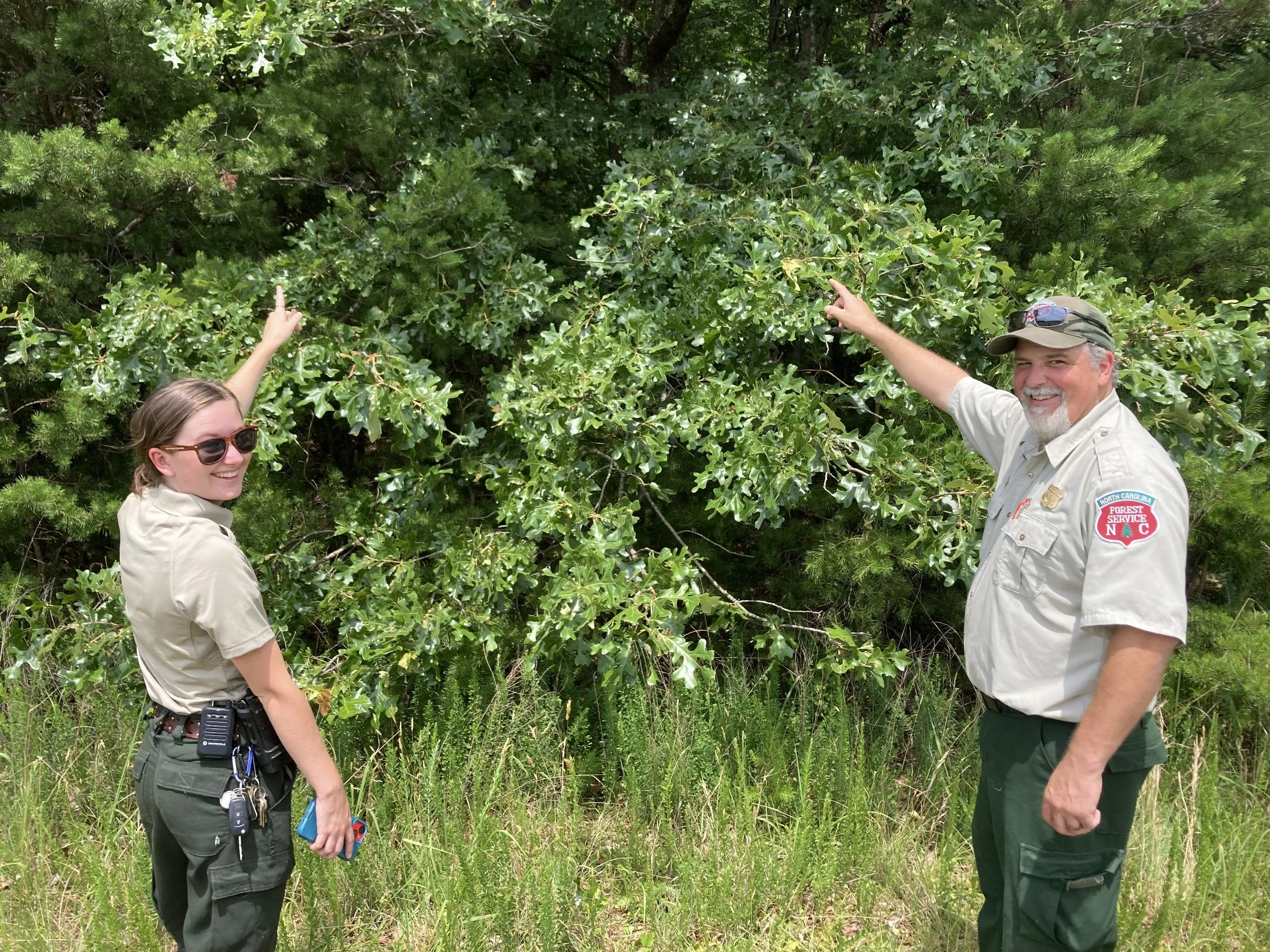
One exciting project growing out of this partnership is a Tree Identification Trail being developed with Forest Service rangers Jonathan Young and Lily Knepp (pictured here). The trail will feature tagged trees and educational signage at the trailhead, giving visitors a chance to learn about the native species that make the forest unique while exploring the park.
A Meadow of Native Wildflowers
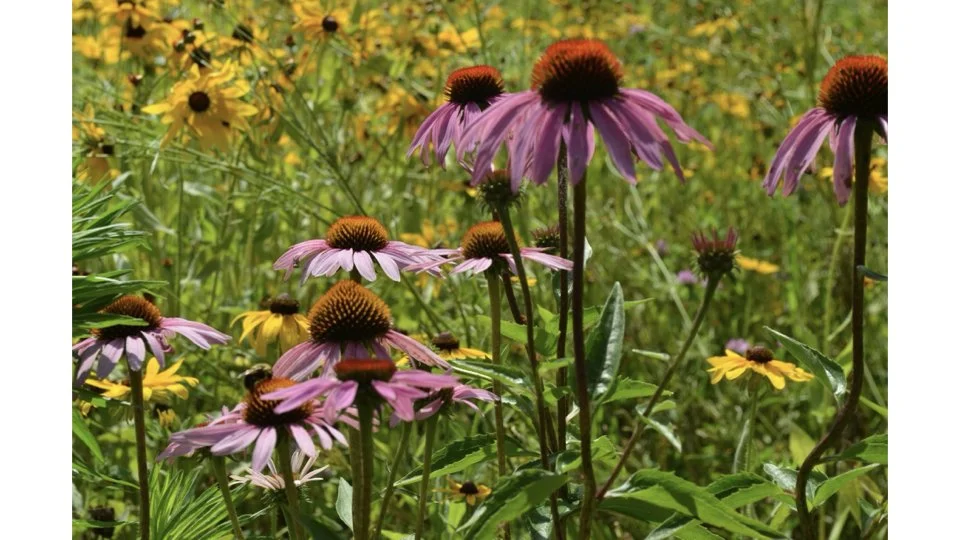
Through a partnership with the Yadkin Valley Wildlife Federation, a beautiful new wildflower meadow has begun to take root in the park. Between February and May 2025, YVWF generously shared their expertise, seeds, planting equipment, and hands-on support to help establish a half-acre plot of native wildflowers in the back meadow.
Today, the area is coming alive with color and pollinators, creating an important habitat for wildlife and a beautiful space for visitors to enjoy. The partnership continues to grow, with more collaboration planned for 2026.

Creating a Habitat for Migrating Monarch Butterflies
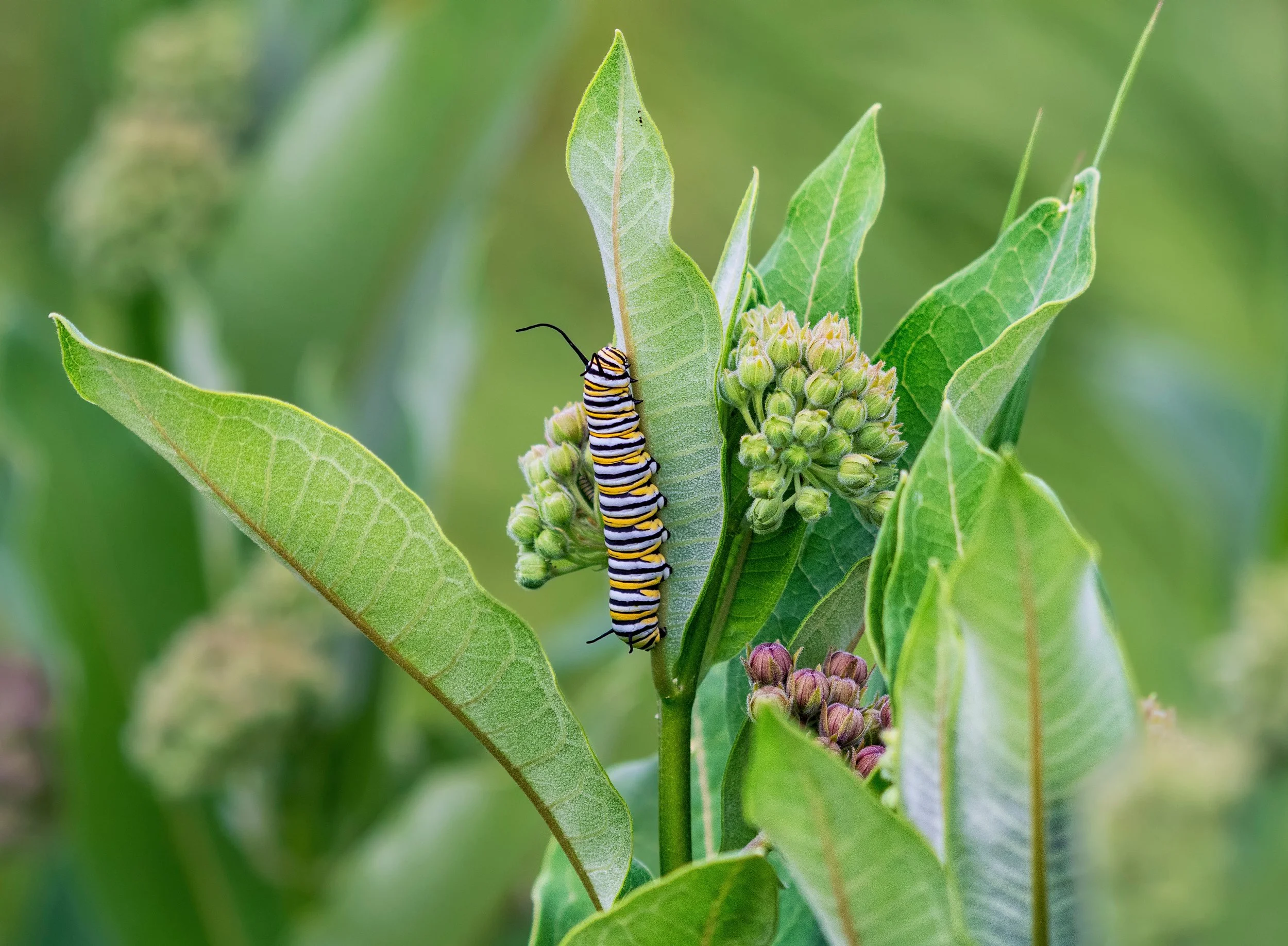
Thanks to a grant from Monarch Watch, the park is becoming a welcoming stop for migrating monarch butterflies. In May 2025, volunteers planted 200 milkweed plugs along the wooded edge of the meadow—an essential plant that monarch caterpillars depend on for survival.
Additional plugs of native wildflowers and warm-season grasses, obtained from the NC Forest Service, were also planted to expand this pollinator-friendly habitat. Together, these plantings are helping create a vibrant space where monarchs and other pollinators can rest, feed, and continue their incredible journey.
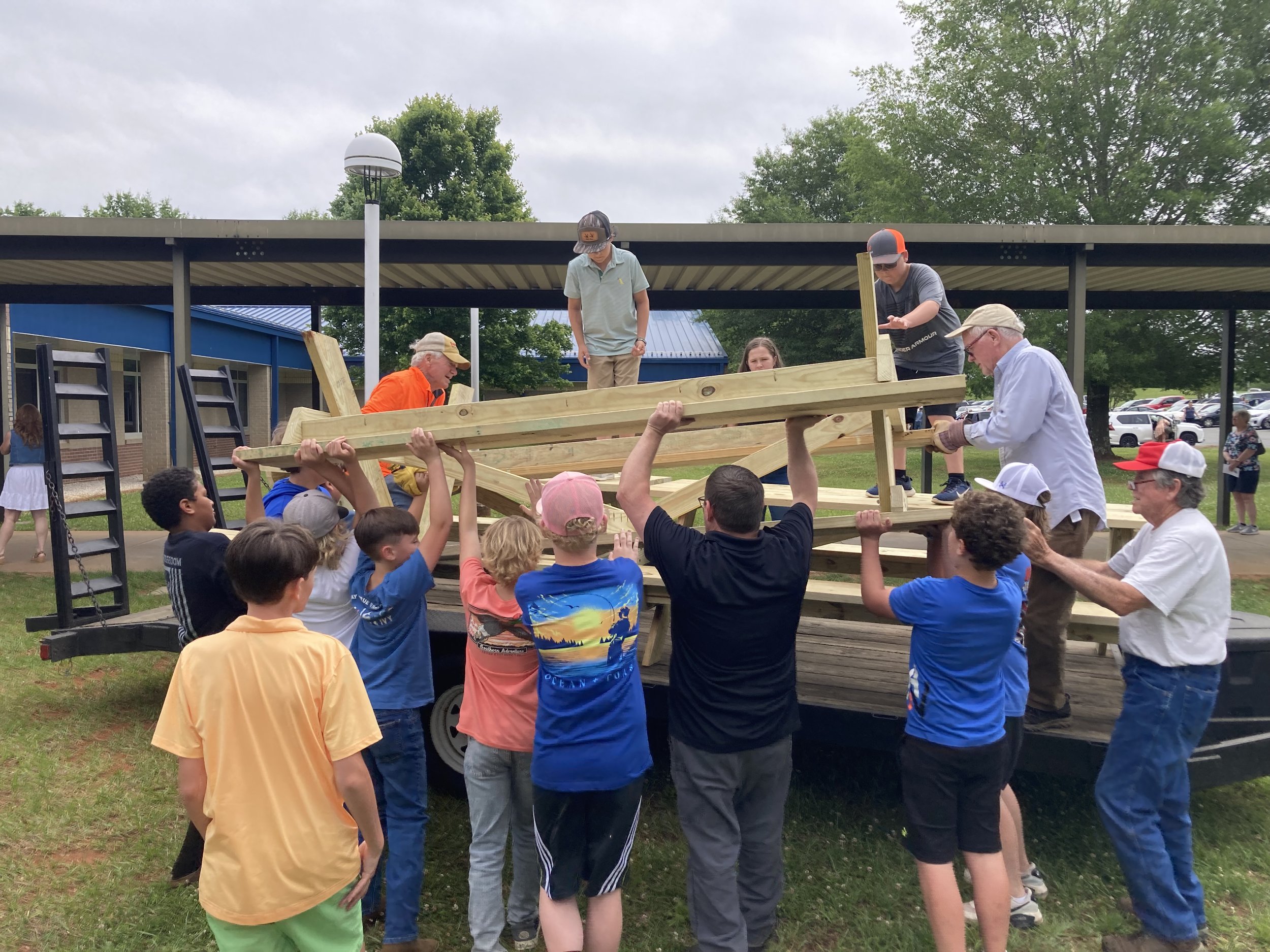
Student Craftsmanship in the Park
The park has benefited from the energy and generosity of Mr. Adam Jones’ shop classes at Piney Grove Middle School. These talented students (pictured here) volunteered their time, passion, and skills to build four picnic tables and four benches, now enjoyed by visitors throughout the park.
Their contributions don’t stop there. As the park moves into Phase 2, the students plan to build a chimney swift tower to support local wildlife as well as additional ADA-compliant picnic tables for the new picnic shelters—leaving a lasting mark on a park their community can enjoy for years to come.

What Defines Our Park
Nature & Conservation
Protecting and restoring the natural beauty of the land. Through partnerships with local and state-wide conservation experts and organizations, the park is becoming a thriving habitat for native plants, pollinators, birds, and wildlife.
Community Partnerships
Working together to grow something meaningful. Local organizations, conservation groups, and volunteers have joined forces to bring knowledge, resources, historical context, and passion to the park’s development.
Learning & Stewardship
Inspiring curiosity, skills, and care for the outdoors. From student-focused experiences to educational trails and hands-on conservation projects, the park is a place where people of all ages can learn about and care for the natural world.